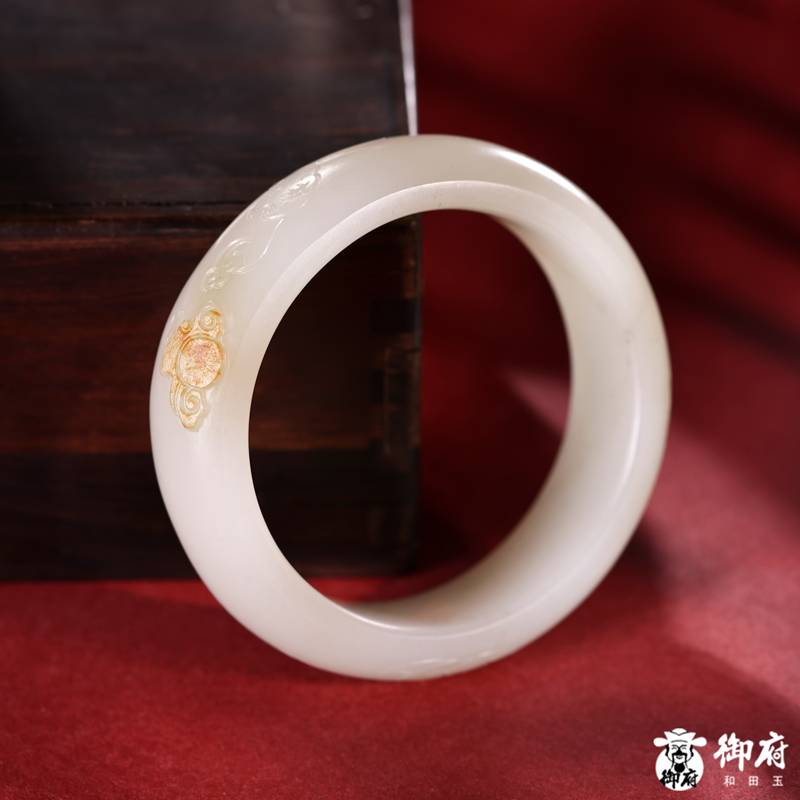
A laboratory report is useful when you know what it actually says. It can identify material and disclose detectable treatment, but it may not certify a mine, a market grade or a future resale price. Read the fields one by one and compare the document with the bangle in front of you.
Start with the report identity
Check the laboratory name, report number, issue date and any verification QR code or web lookup. Type the number into the laboratory's own verification page rather than relying on a screenshot sent by a seller. The report should identify a specific item, not just a generic product category.
- Confirm the issuer is named clearly.
- Verify the report number on an official channel.
- Check whether the issue date and item photograph are present.
Read the material line carefully
Look for a precise material conclusion such as nephrite, jadeite or another named mineral. A report that says only jade, natural stone or jade-like material is less informative. Material identification does not automatically establish Xinjiang origin, Hetian market terminology or the quality words used in a sales listing.
- Match the material line to the seller's description.
- Ask why a broad term is used if the report is more specific.
- Keep a copy of the report with the purchase record.
Find the treatment conclusion and limits
Treatment wording may say no detectable treatment, or it may identify dye, polymer impregnation, bleaching, filling, repair or other enhancement. No detectable treatment means within the methods and limits of that examination. It is not a promise that every possible alteration can be detected or that the stone is geographically local.
- Read footnotes and limitations, not only the bold conclusion.
- Ask whether the report covers the exact bangle or a submitted sample.
- Treat undisclosed repairs and fillings as condition issues even when colour is natural.
Match the report to the physical bangle
Compare the report photograph, shape, carving, skin pattern and measurements with the item being offered. If the report lists a 56 mm inner diameter but the seller is offering a 58 mm bangle, stop and ask for clarification. A report can be genuine and still belong to another piece.
- Compare inner diameter, width and weight where listed.
- Check distinctive marks and carved details.
- Request a new report if the identity of the piece is uncertain.
What a report cannot answer
A report usually cannot tell you whether the bangle feels comfortable, whether a colour is attractive in your home, whether the price is fair, or whether a seller will honour a return. Those questions belong in the quotation and return terms. Use the report to reduce material and treatment uncertainty, then assess the rest separately.
- Material is not the same as value.
- Treatment status is not the same as origin proof.
- A report does not replace written shipping, insurance and return conditions.
When an independent report is worth the cost
For an inexpensive purchase, clear disclosure and a workable return policy may be enough. As the price, rarity or uncertainty rises, independent verification becomes more useful. Ask the laboratory what it can test before sending the bangle, and keep the chain of custody clear from seller to report.